
How to Create a Four-Season Pollinator Garden at Home
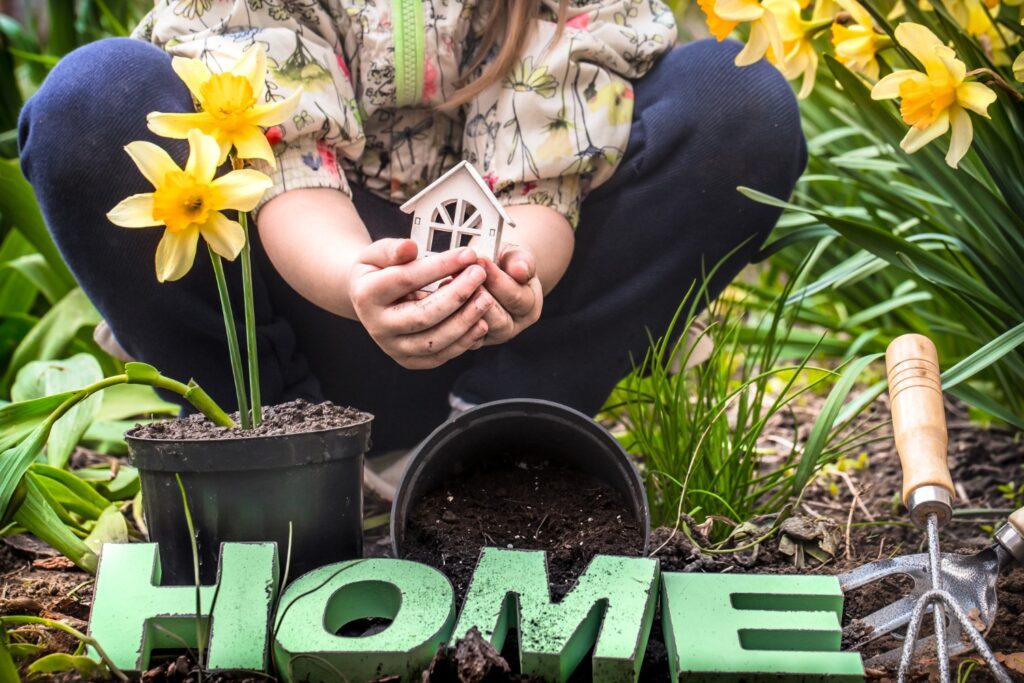
In a well-designed garden, one of the first things you notice is movement: bees drifting from bloom to bloom, butterflies circling sunny beds, and hummingbirds pausing at bright flowers. You don’t need a large park or a formal botanical garden to enjoy that kind of life and color. With a few thoughtful choices, even a small yard or balcony can become a four-season haven for pollinators.
This guide will help you design a simple pollinator-friendly garden you can adapt to almost any space – from a front yard border to a group of containers on the porch.
Step 1: Observe Your Space
Before planting, spend a few days simply watching your garden area. Notice how much sun it gets at different times of day, where water tends to collect after rain, and which spots dry out the fastest. Existing trees, shrubs, fences and paths all influence shade, wind, and how people move through the space.
It’s helpful to sketch a quick “map from above” and mark sunny and shady zones, low spots, and the main views from windows or seating areas. This simple drawing will guide most of your decisions about what to plant and where to put it.
Step 2: Think in Layers
Pollinators thrive in gardens that feel like natural habitats, where plants grow in layers instead of a single flat row. Start with the tallest elements: a small flowering tree, a large shrub, or even a tall ornamental grass can anchor a bed and give structure to the whole garden. Around that, add mid-height shrubs and perennials that fill the middle of the view. Closer to the front or along paths, use low perennials, groundcovers, or compact grasses to soften edges and cover bare soil.
You can use the same idea in containers by combining one tall “hero” plant in the center, several medium-height “supporting” plants around it, and trailing plants that spill over the side. When you create vertical layers like this, pollinators find shelter, perching spots, and nectar at different heights – and the planting looks richer and more interesting to people as well.
Step 3: Choose Plants for Every Season
A true four-season pollinator garden offers food from the first mild days in spring to the final warm afternoons of autumn. Think in three big blocks: spring, summer, and fall.
In spring, focus on early flowers that wake the garden up quickly and feed hungry insects after winter. Bulbs such as crocuses, grape hyacinths, early tulips, and daffodils are great starters, especially when planted in small groups rather than single scattered bulbs. Spring-blooming shrubs like viburnum or forsythia, and perennials such as lungwort or hellebores, can fill shady corners and provide some of the first nectar of the season.
Summer is the time for bold color and steady bloom. Long-flowering perennials – for example, coneflowers, bee balm, and black-eyed Susans – create a continuous buffet for bees and butterflies. Flowering herbs like oregano, thyme, chives, and mint (best kept in containers) are surprisingly attractive to pollinators when allowed to bloom. Annuals such as zinnias, cosmos, and sunflowers add quick, bright impact even if the garden is new.
In fall, your aim is to help pollinators build up reserves before winter. Asters and goldenrods are classic late-season plants that hum with insect activity on sunny days. Sedums that blush pink or copper as temperatures cool are another reliable choice. Ornamental grasses send up plumes that feed birds and provide shelter. Instead of cutting everything down at the first frost, leave some seed heads and stems standing so insects and small creatures can overwinter in them.
Step 4: Provide Water and Shelter
Nectar and pollen are only part of what pollinators need. They also require safe places to drink and rest. A shallow dish or birdbath can be enough if you keep it simple. Fill it with clean water and place a few stones or pieces of gravel inside so insects can land without slipping into deep water. Refresh the water regularly to keep it clean and inviting.
Shelter is just as important as water. A small patch of bare, undisturbed soil can give ground-nesting bees a place to make their homes. Clumps of dense grass or evergreen shrubs offer hiding spaces from wind and rain. When you avoid “perfect” tidiness and leave some corners a bit wild, you quietly create micro-habitats that support far more life than a spotless yard.
Step 5: Plan Paths and Viewing Spots
A pollinator garden should be designed for people as well as insects. Think about where you will walk, where you will stand, and where you might like to sit and watch. A simple mulch path between beds lets you reach plants for watering and weeding without compacting the soil. A bench, a single garden chair, or even a large flat stone can become a favorite spot for morning coffee while you watch bees and butterflies start their day.
Also consider the view from inside your home. If you position key plants where they are visible from the kitchen, living room, or home office, you’ll be able to enjoy the garden even on cold or rainy days. A well-placed patch of flowers outside a main window can turn everyday routines into small nature breaks.
Step 6: Garden with Care - and Fewer Chemicals
Pesticides and harsh treatments can easily harm the very creatures you want to attract. Instead of reaching for a spray at the first sign of damage, start by choosing plants that are naturally suited to your climate, soil and light conditions. A plant that feels “at home” is less likely to struggle with disease or pests.
When problems do appear, try gentle methods first. A strong stream of water can remove aphids from tender stems. Damaged leaves can be pinched off and composted. Sometimes the best response is to accept a little imperfection: many caterpillars eventually turn into butterflies, and a few chewed leaves are a sign your garden is feeding something important. If you ever decide to use a garden product, read the label carefully and avoid applying anything when plants are in full bloom or when bees are actively flying.
Step 7: Start Small and Grow Each Year
The most successful pollinator gardens usually start small and evolve over time. Pick one bed, one side of the yard, or a group of containers as your first project. In the first year, concentrate on improving the soil with compost, planting a few reliable species for each season, and watching which insects arrive. In the second year, you can adjust what didn’t work, add more variety, and gradually expand the planting area.
These small steps add up. Over a few seasons, the garden becomes deeper, more layered, and much more alive. You may even start to recognize familiar bees and butterflies returning year after year.
Bringing a Four-Season Garden to Life
A four-season pollinator garden – even a very small one – is one of the best ways to support nature right outside your door. When you observe your space carefully, plant in layers, choose flowers for spring, summer, and fall, offer simple water and shelter, and avoid harsh chemicals, you turn your yard or balcony into a tiny sanctuary.
Each flower you add becomes part of a wider network of green spaces: private gardens, courtyards, balconies, and city parks. Together, these places give bees, butterflies, and birds what they need to survive – and give people a daily dose of color, movement, and quiet joy throughout the year.