
Why Botanical Gardens Matter: Growing Resilience and Well-Being in Small Towns
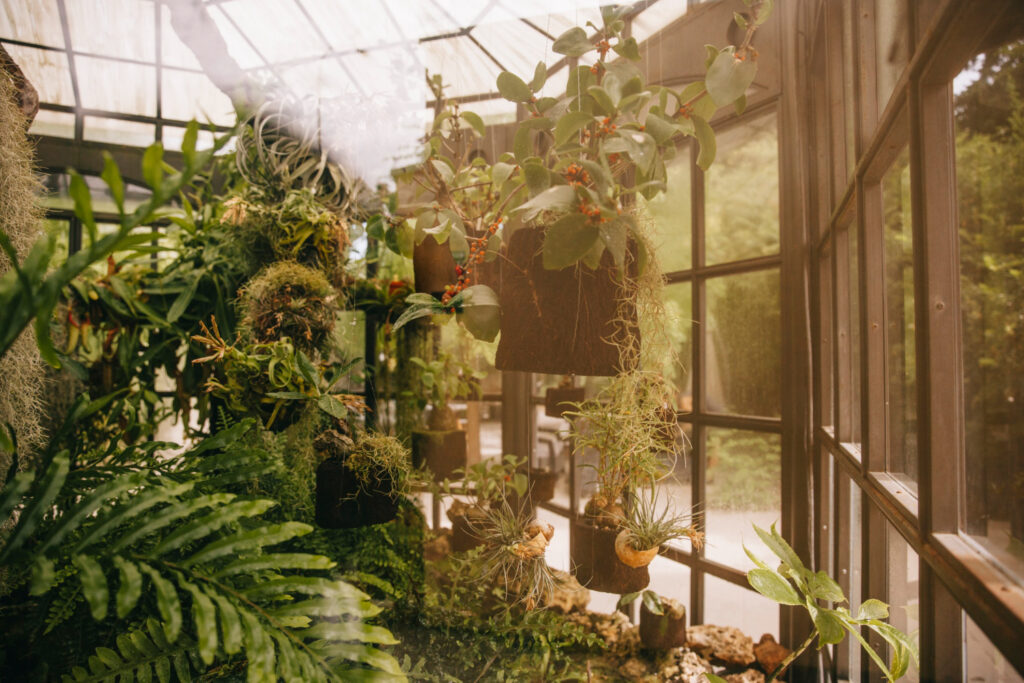
Visiting a botanical garden often feels like stepping into another world: the air is cooler, colors are richer, and time seems to slow down. But behind the peaceful paths and blooming borders, modern botanical gardens are doing serious work for local communities and the planet.
For a small town like Ottoville, a garden is more than a beautiful place for a stroll. It’s a living classroom, a seed bank, a wellness space, and a frontline ally against biodiversity loss and climate change.
In this article, we’ll look at why botanical gardens matter today and how a local garden can quietly transform everyday life in its region.
1. Guardians of Local Biodiversity
Across the world, botanical gardens hold living collections that preserve rare and threatened plants. Many gardens participate in networks coordinated by organizations like the American Public Gardens Association, which supports public gardens as hubs of conservation and climate resilience.
For small communities, this global work has very local benefits:
- Showcasing native plants. When visitors see how beautiful Ohio native species can be, they’re more likely to plant them at home, supporting birds, insects, and other wildlife.
- Reducing invasive species. Thoughtfully curated collections demonstrate alternatives to invasive ornamentals that may escape yards and harm local ecosystems.
- Serving as a “green library.” Each bed and border becomes a living catalog of plants that thrive in local conditions – a resource for homeowners, schools and city planners.
In places like Ottoville, where surrounding fields and developments may limit wild habitat, a botanical garden acts as a refuge for pollinators, songbirds, and countless small creatures that keep local ecosystems balanced.
2. Safe Havens for Pollinators
Bees, butterflies, and other pollinators are essential for food production and healthy landscapes, yet many species are declining due to habitat loss and pesticides. Botanical gardens can be designed as pollinator powerhouses: layered plantings, long bloom seasons, and chemical-free care provide exactly what these insects need.
Ohio State University’s Bee Lab researchers highlight how even small gardens, when planted thoughtfully, can become vital stepping-stones for pollinators moving through urban and rural areas.
In a garden, this might look like:
- Drift plantings of nectar-rich perennials from early spring to late fall.
- Native flowering trees and shrubs that provide early-season pollen.
- Dedicated “pollinator pathways” where visitors can literally walk through buzzing, fluttering life.
For visitors, these spaces are enchanting. For pollinators, they’re a lifeline.
3. Living Classrooms for All Ages
Botanical gardens are uniquely suited to make complex topics – from climate change to soil health – tangible and understandable.
A single path can teach:
- Botany, through labeled collections that turn unfamiliar Latin names into memorable stories.
- Ecology, by showing how plant communities interact with birds, insects and soil life.
- Sustainability, by demonstrating water-wise gardening, composting and environmentally friendly design.
School field trips, family programs, and guided walks can turn any garden into an outdoor classroom where students learn with all five senses. Adults benefit too: gardening workshops, seasonal tours, or citizen-science projects help residents bring new skills back to their own yards and balconies.
4. Spaces of Calm, Health and Connection
Green spaces are closely linked with mental and physical well-being. Time in nature has been shown to:
- Lower stress levels and blood pressure
- Improve mood and focus
- Encourage gentle physical activity like walking and exploring trails
In a small town, a botanical garden becomes a shared “third place” – not home, not work, but a welcoming space where people can meet friends, bring children, or simply sit quietly among the plants.
Seasonal events, from wildflower walks to greenhouse open houses, give neighbors something to look forward to throughout the year. Traditions rooted in the garden – first tulip weekend, autumn foliage strolls, winter lights – can quickly become part of the town’s identity.
5. Testing Ground for Climate-Smart Gardening
Gardens are also laboratories for adapting to changing weather patterns. Public-garden networks are experimenting with climate-resilient plantings, new irrigation strategies, and ways to protect collections from extreme heat, heavy rain, or sudden frosts.
At a local level, this research can be translated into practical ideas for home gardeners:
- Which perennials bounce back best after late spring freezes?
- How can mulch and smart watering keep beds healthy through hot Ohio summers?
- Which tree species will shade future streets and yards while handling more frequent storms?
Sharing these lessons through signage, workshops or blog posts, it helps the entire community build resilient, beautiful landscapes that can cope with a changing climate.
6. Inspiration You Can Take Home
Perhaps the most immediate value of a botanical garden is inspiration. Visitors often leave thinking, “I’d love to try something like that in my yard.”
Botanical gardens can make this easier by:
- Highlighting plants that are widely available in local nurseries
- Showing realistic combinations for small spaces, balconies or shady corners
- Providing simple plant lists or downloadable guides for pollinator patches, shade gardens, or beginner beds
When residents recreate small garden pieces at home, the town slowly fills with pockets of color, habitat and seasonal interest – extending the garden’s impact far beyond its boundaries.
Growing Together in Ottoville
From global conservation networks to a single bee resting on a coneflower, botanical gardens connect countless scales of life. For Ottoville, a garden is a place where these connections become visible: a sanctuary of calm, a resource for learning, and a living symbol of how a small community can care for the natural world.
Whether you come for a quiet walk, a family outing, or practical ideas for your own backyard, every visit is a step toward a greener, more resilient town.